

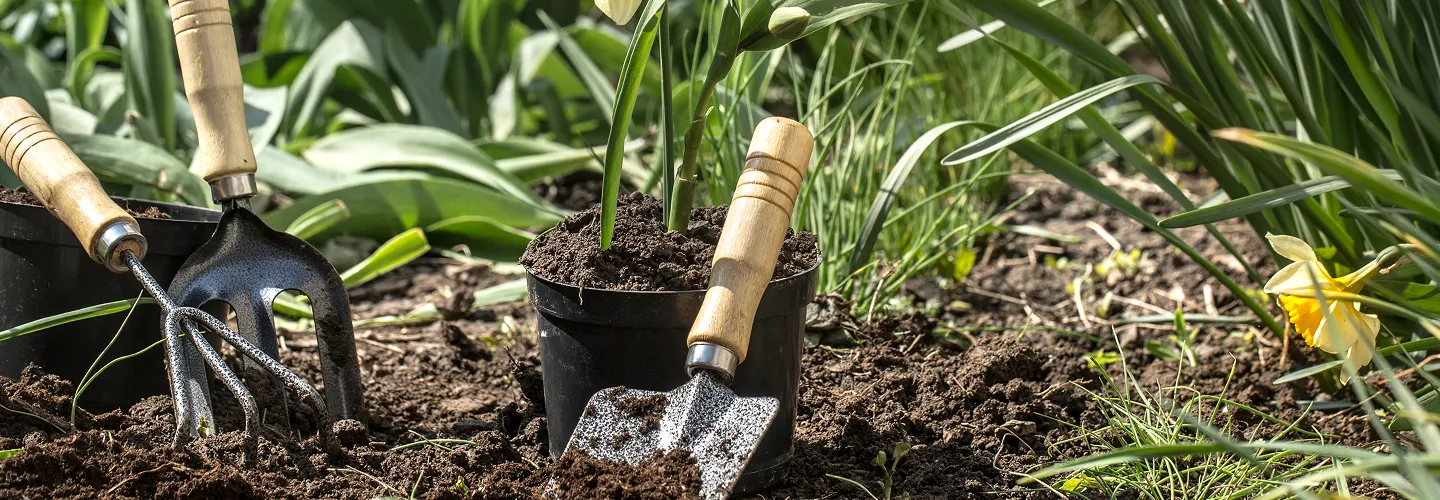
Woburn Lawn Renovation Services
Choose our Lawn Renovation services for expert care, premium materials, and a commitment to transforming your yard into a lush, healthy, and beautiful landscape you’ll love for years to come.
Get a Free QuoteWhen to Schedule Lawn Renovation in Woburn, Massachusetts – Seasonal Guide
Timing your lawn renovation in Woburn, Massachusetts, is crucial for achieving a lush, healthy yard that thrives year-round. The best periods for renovation are typically late summer to early fall, when soil temperatures remain warm but the risk of extreme heat or drought has diminished. This window allows new grass seed to establish before the first frost, which in Woburn generally occurs in late October. Spring can also be suitable, but unpredictable rainfall and lingering cold snaps may hinder optimal growth.
Woburn’s unique landscape—ranging from the shaded streets of Horn Pond to the open lawns near Library Park—means that local factors like tree density, soil composition, and microclimates play a significant role in renovation timing. Heavy clay soils common in neighborhoods like North Woburn retain moisture, while areas with sandy loam near Shaker Glen may dry out faster. Homeowners should also consider municipal watering restrictions, which are updated seasonally on the City of Sudbury’s website, to ensure compliance and maximize renovation success.
Local Factors to Consider for Lawn Renovation in Woburn
- Tree density and shade coverage (e.g., mature maples in Central Square)
- Soil type and drainage (clay vs. sandy loam)
- Average precipitation and drought risk
- Frost dates and seasonal temperature swings
- Terrain and slope (affecting water runoff)
- Municipal watering restrictions and local ordinances
Benefits of Lawn Renovation in Woburn

Enhanced Curb Appeal
Improved Lawn Health
Increased Property Value
Expert Local Knowledge
Efficient Project Completion
Customized Landscaping Solutions

Woburn Lawn Renovation Types

Sod Installation
-
Hydroseeding
-
Overseeding
-
Aeration and Dethatching
-
Topdressing
-
Soil Amendment
-
Complete Lawn Replacement
Our Lawn Renovation Process
Site Evaluation
Soil Preparation
Seeding or Sodding
Watering and Fertilization
Ongoing Maintenance
Why Choose Woburn Landscape Services

-
Woburn Homeowners Trust Us
-
Expert Lawn Maintenance
-
Competitive Pricing
-
Professional Team
-
Satisfaction Guarantee
-
Personalized Service
-
Reliable Scheduling
Contact Woburn's Department of Public Works for Renovation Debris Disposal & Soil Amendment Materials
Proper disposal of renovation debris is essential for environmental compliance in Woburn. The city offers seasonal yard waste collection (April-November), accepting old sod, thatch, and organic debris in biodegradable paper bags or loose piles—plastic bags are prohibited per Massachusetts Department of Environmental Protection guidelines. Bulk soil and debris can be brought to the Transfer Station with a valid resident sticker; commercial haulers may require additional permits and fees. Municipal compost programs provide finished compost for soil amendment, often available at the Transfer Station for residents. For contaminated soil (lead in pre-1978 homes, arsenic from former orchards), coordinate with the Board of Health for testing and safe disposal. Debris must be staged away from storm drains, with silt fences or compost filter socks installed to prevent migration, and neighbor notification is recommended for large projects. Septic system areas require special care to avoid compaction and contamination.
Woburn Department of Public Works
50 North Warren Street, Woburn, MA 01801
Phone: (781) 897-5950
Official Website: Woburn Department of Public Works
Comprehensive Site Assessment & Soil Testing Requirements for Woburn's Glacial Till Soils
A thorough site assessment is the foundation of successful lawn renovation in Woburn, where glacial till soils predominate, often exhibiting compaction, variable drainage, and acidic pH (5.5-6.5). Begin with mandatory soil testing through the UMass Soil and Plant Nutrient Testing Laboratory, including pH, nutrient levels, organic matter, and heavy metal screening (lead, arsenic) for older properties. Use the USDA Web Soil Survey to identify local soil series and drainage characteristics. Assess thatch depth (renovation needed if over 0.5 inches), compaction (penetrometer or screwdriver test), and drainage (percolation test). Map underground utilities with Dig Safe—call 811 at least 72 hours before any soil disturbance. Evaluate existing irrigation, drainage, and septic system locations to prevent damage and ensure regulatory compliance.
Woburn Conservation Commission Requirements for Major Lawn Renovation Near Protected Areas
Lawn renovation near wetlands, streams, ponds, or vernal pools in Woburn requires strict compliance with the Massachusetts Wetlands Protection Act and local bylaws. Any soil disturbance within 25-50+ feet buffer zones mandates coordination with the Conservation Commission. Submit a Request for Determination of Applicability (RDA) or Notice of Intent (NOI) as appropriate. Projects near resource areas may face seasonal restrictions (March-August) to protect wildlife, especially during vernal pool amphibian breeding. Immediate stabilization is required—mulch or seed exposed soil within 24 hours, and install silt fences or compost filter socks for erosion control. Properties in historic districts may also require review by the Historic District Commission. For rare species or habitat concerns, consult the Massachusetts Natural Heritage Program and Massachusetts Department of Environmental Protection.
Woburn Conservation Commission
10 Common Street, Woburn, MA 01801
Phone: (781) 897-5817
Official Website: Woburn Conservation Commission
Integrated Renovation Methods: Dethatching, Aeration, Soil Amendment & Establishment in Woburn
A science-based renovation sequence is critical for Woburn’s diverse soils. Always notify Dig Safe 72 hours before any soil work. Remove existing vegetation selectively or completely based on site assessment. For glacial till compaction, perform multiple passes with a core aerator; dethatch if thatch exceeds 0.5 inches. Apply lime at 50-100+ lbs per 1000 sq ft to correct acidic pH, and incorporate 2-4 inches of organic matter (municipal compost) into the top 6-8 inches of soil. Remove rocks in shallow or stony areas. Use equipment suited for local soil conditions and follow safety protocols (PPE required). Per UMass Extension Turf Program, schedule major renovations for late August-September for optimal establishment; spring (mid-April-May) is a secondary window. Mulch and irrigate immediately after seeding or sodding.
Sod vs. Seed Selection for Woburn's Climate Zone 6a & Environmental Conditions
Choosing between sod and seed depends on site needs, budget, and Woburn’s Zone 6a climate. Sod provides instant cover but costs 5-10x more than seed and requires intensive irrigation during establishment—challenging under Massachusetts summer water restrictions. Seed germinates in 2-4 weeks and establishes in 8-12 weeks, with greater species selection and flexibility for fall timing. For shaded sites under mature trees, use fine fescue blends (50-70%) as recommended by UMass Extension. For sandy soils, drought-tolerant tall fescue is preferred; for coastal or salt-affected areas, select salt-tolerant varieties. All Massachusetts soils are typically acidic, so choose species tolerant of low pH and plan for substantial lime application. Fall is the best time for both sod and seed establishment.
Woburn Water Management Guidelines & Municipal Permits for Renovation Projects
Woburn’s water supply is managed by the municipal Water Department, with seasonal restrictions common (odd/even schedules, drought bans). New lawns may qualify for a 30-day establishment exemption with notification—verify with the Water Department. Irrigation system installation requires plumbing and electrical permits from Inspectional Services, and all systems must have a backflow prevention device with annual testing per Massachusetts Department of Environmental Protection Cross-Connection Control Program. Use smart controllers and rain sensors to conserve water. For properties with wells, coordinate with the Board of Health and avoid overuse. Always map and protect septic system areas during renovation to prevent contamination and compaction.
Woburn Water Department
50 North Warren Street, Woburn, MA 01801
Phone: (781) 897-5944
Official Website: Woburn Water Department
Woburn Inspectional Services
10 Common Street, Woburn, MA 01801
Phone: (781) 897-5840
Official Website: Woburn Inspectional Services
Post-Renovation Stormwater Management in Compliance with Woburn's MS4 Permit Program
All renovation projects must comply with Woburn’s MS4 permit under the Clean Water Act, Massachusetts Clean Waters Act, and MassDEP Stormwater Management Standards. Immediately stabilize disturbed soil—mulch or seed within 24-48 hours. On slopes >10-15%, use erosion control blankets and install silt fences or compost filter socks at downslope boundaries. Stage materials away from storm drains and resource areas. Coordinate with the Conservation Commission for properties near wetlands or vernal pools. Long-term, improved soil organic matter and turf cover reduce runoff and nutrient loading to the local watershed (Massachusetts Bay). Large projects (>1 acre) require additional reporting and inspection. Violations are subject to enforcement by the Conservation Commission and Massachusetts Department of Environmental Protection.
What Neighborhoods Do We Serve Throughout Woburn, MA?
Woburn’s neighborhoods each present unique renovation challenges:
- North Woburn: Predominantly glacial till with compaction and seasonal high water tables (12-36 inches), requiring aeration and drainage improvements; proximity to wetlands triggers Conservation Commission review.
- Central Square: Urban soils with compaction, historic infrastructure, and narrow streets; frequent need for Dig Safe coordination and stone wall preservation.
- Horn Pond Area: Marine clay and poorly-drained soils, high water tables, and extensive Conservation Commission jurisdiction; buffer zones and erosion control are critical.
- West Woburn: Rocky shallow soils, limited equipment access, and mature tree shade; fine fescue blends and lime application are essential.
- Montvale: Sandy outwash soils with low organic matter, requiring compost amendment and drought-tolerant species; septic system setbacks common.
- Shaker Glen: Mix of glacial till and rocky soils, high deer pressure, and historic district requirements; maintenance access and aesthetic standards are key.
- East Woburn: Variable soils, frequent proximity to resource areas, and community involvement in environmental initiatives; septic and drainage infrastructure must be mapped.
Woburn Municipal Ordinances for Renovation Equipment Operation & Commercial Service Standards
Woburn enforces strict equipment operation hours: 7 AM-7 PM weekdays, 8 AM-6 PM Saturdays, and limited or prohibited operation on Sundays (often 9-10 AM start—verify local bylaws). Commercial services must be licensed through the City Clerk and carry liability and workers’ compensation insurance per Massachusetts law. Permits from Inspectional Services, Conservation Commission, and Historic District Commission (where applicable) are required for major projects. Dig Safe notification is mandatory 72 hours before any excavation. Public safety is paramount—equipment must be operated safely, with proper signage and barriers as needed. Compliance with all municipal, state, and federal regulations ensures responsible, sustainable lawn renovation in Woburn.
Woburn Planning Board
10 Common Street, Woburn, MA 01801
Phone: (781) 897-5817
Official Website: Woburn Planning Board
Woburn Board of Health
10 Common Street, Woburn, MA 01801
Phone: (781) 897-5925
Official Website: Woburn Board of Health
For further technical guidance, consult UMass Extension, UMass Extension Turf Program, Massachusetts Division of Fisheries and Wildlife, and U.S. Environmental Protection Agency Region 1.